- The paper presents DynTaskMAS, a novel framework that decomposes complex tasks into dynamic graphs to optimize LLM-based multi-agent coordination.
- It employs asynchronous parallel execution and semantic-aware context management to achieve significant performance improvements, reducing execution time by up to 33%.
- Experimental results demonstrate enhanced scalability with a 3.47× throughput boost and improved GPU utilization rising from 65% to 88%.
DynTaskMAS: A Dynamic Task Graph-driven Framework for Asynchronous and Parallel LLM-based Multi-Agent Systems
The paper "DynTaskMAS" introduces a novel framework for optimizing the performance of LLM-based Multi-Agent Systems (MAS) by addressing challenges related to resource management, task coordination, and system efficiency. This essay provides a detailed summary of the paper's contributions, framework architecture, core components, experimental results, and potential implications for future AI developments.
Framework Overview
DynTaskMAS is designed to orchestrate asynchronous and parallel operations in LLM-based MAS via dynamic task graphs. This approach brings significant advancements in task decomposition, parallel execution, information sharing, and workflow optimization:
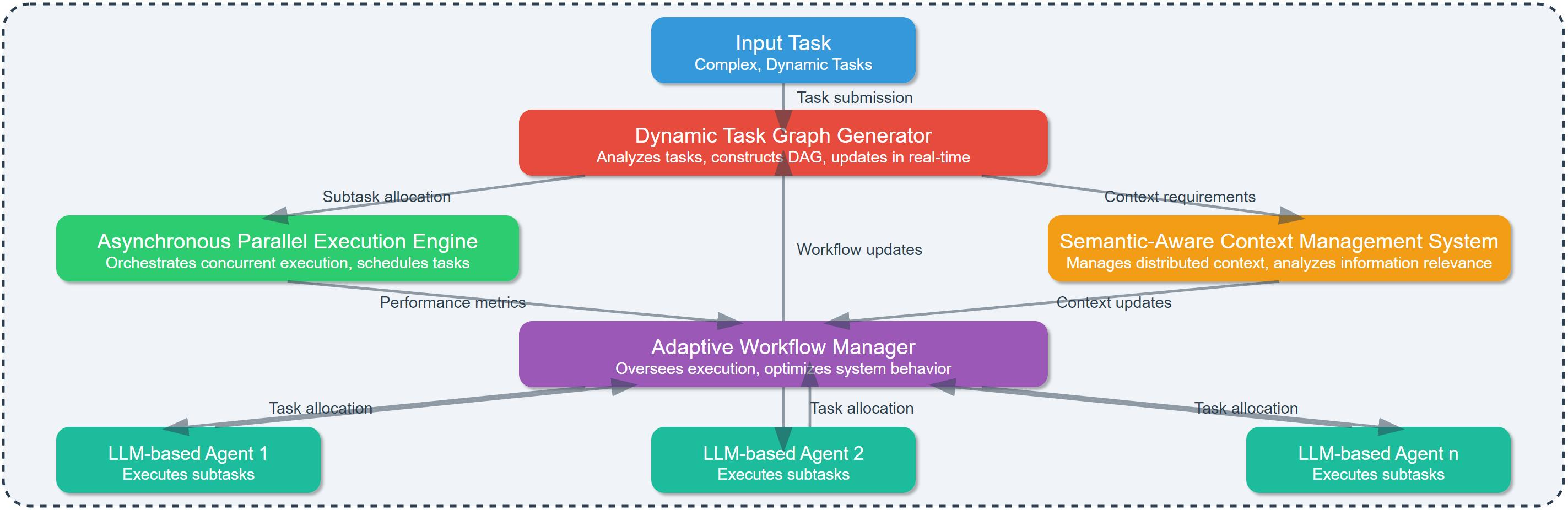
Figure 1: The Overview of DynTaskMAS Framework.
Dynamic Task Graph Generator (DTGG)
The DTGG is responsible for decomposing complex tasks and generating a directed acyclic graph (DAG) that outlines subtask dependencies. It adapts to task changes dynamically, ensuring efficient parallel execution. The DTGG algorithm involves recursive task decomposition, where the complexity and context transfer times are balanced using weighting coefficients. The decomposition continues until a predefined granularity level is reached. The pseudocode provided outlines the update process of the task graph, considering new task inputs and dynamic changes.
Asynchronous Parallel Execution Engine (APEE)
APEE manages task scheduling across multiple LLM-based agents, respecting dependencies while maximizing parallelism. Employing a priority-based scheduler, it calculates task priorities based on dependencies and estimated execution times. The Execution Queue Manager prioritizes tasks ready for execution, while the Agent Pool Manager and Load Balancer optimize task distribution among agents. Asynchronous Communication Handler ensures efficient message exchange without blocking execution.
Semantic-Aware Context Management System (SACMS)
SACMS manages context information efficiently for LLM-based agents using semantic analysis for relevant information dissemination. It maintains a hierarchical and distributed context repository which enables efficient storage and retrieval of context information. The Semantic Analyzer processes context data to assign semantic tags and maintain relationships, optimizing information sharing across the system.
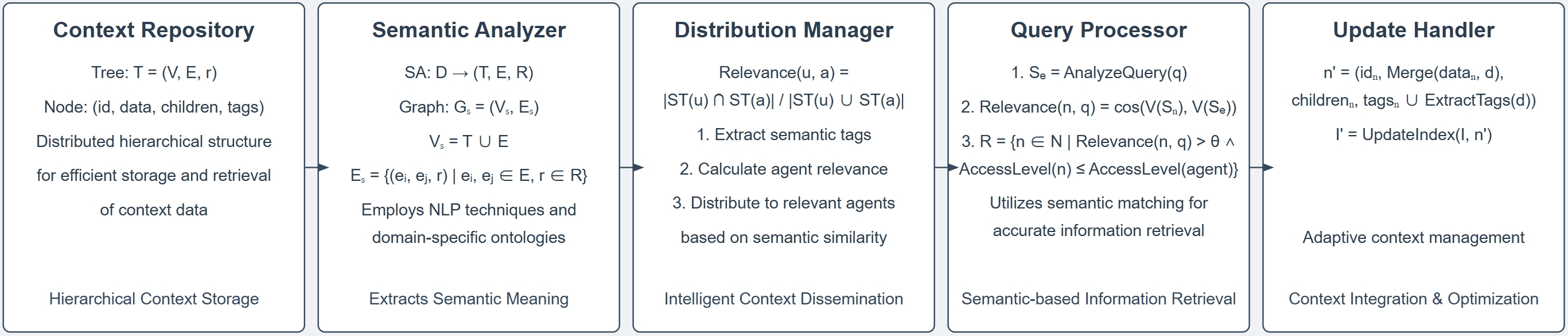
Figure 2: The architecture of Semantic-Aware Context Management System.
Adaptive Workflow Manager (AWM)
AWM dynamically adjusts execution workflows based on real-time performance metrics, enabling optimal system performance. It continuously monitors system metrics and suggests workflow improvements that align with task requirements. Using a greedy allocation strategy and an iterative approach, AWM ensures efficient resource distribution and adaptable task management in a fluctuating environment.
Experimental Results
The evaluation of DynTaskMAS demonstrated significant performance improvements over traditional frameworks. Experiments conducted on NVIDIA RTX 3090 GPUs, utilizing the Llama-3.1-8B model, revealed reductions in execution time across various task complexities, enhancements in resource utilization, and effective scalability with increased agent counts.
Execution Time and Resource Utilization:
Scalability and Task Throughput:
- The system scaled efficiently with a 3.47× throughput improvement at 16 concurrent agents.
- SacMS and APEE contributed to maintaining high throughput by balancing load across agents.
Case Study:
A travel planning system implementation demonstrated the framework’s practical advantages in a seven-agent configuration, showcasing improved execution time and resource efficiency.
Conclusion
The DynTaskMAS framework represents a sophisticated approach to optimizing LLM-based MAS, addressing critical issues of task orchestration and resource management. By leveraging dynamic task graphs and parallel execution strategies, it provides substantial performance gains across various dimensions, establishing a foundation for scalable, high-performance agent systems. Future research could explore further enhancements in context management, more nuanced agent interactions, and applications across diverse domains.


