- The paper introduces a hybrid approach that combines rule-based methods and LLMs to enhance SQL dialect translation accuracy.
- It leverages functionality-based query decomposition and cross-dialect embedding to precisely manage syntactic and semantic nuances.
- Experimental evaluations demonstrate reduced translation errors and robust performance across diverse SQL dialect conversions.
CrackSQL: A Hybrid SQL Dialect Translation System
CrackSQL proposes a novel approach to SQL dialect translation by integrating rule-based methods and LLMs, addressing longstanding challenges in dialect translation for heterogeneous database systems. By harmonizing human-crafted rules and machine learning, CrackSQL targets the syntactic and semantic nuances that complicate dialect conversions.
Methodological Innovations
Hybrid Translation Approach
CrackSQL leverages both rule-based systems and LLMs to reduce manual effort in maintaining translation tools while enhancing translation accuracy. Traditional systems rely heavily on developer input to define translation mappings across syntactic patterns, leading to significant maintenance overhead. In contrast, CrackSQL minimizes manual input by using LLMs to automatically handle new dialects. Furthermore, CrackSQL decomposes complex queries into functional components, reducing the risk of LLM hallucinations in lengthy queries.
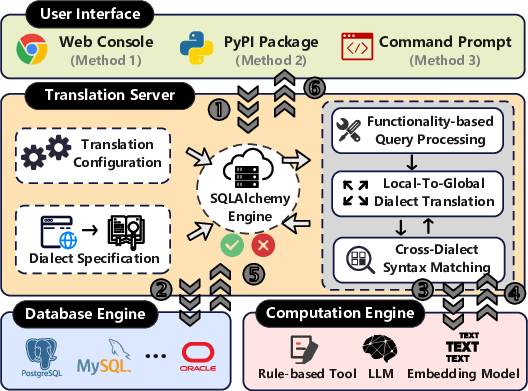
Figure 1: Architecture of CrackSQL.
Functionality-Based Query Processing
The system introduces a functionality-based query decomposition technique that breaks down long SQL queries into individual operations using a syntax tree traversal. This segmentation simplifies the translation process, allowing for more precise management of syntax discrepancies and ensuring compatibility across varying SQL dialects.
Cross-Dialect Syntax Matching
To address syntax equivalence across dialects, CrackSQL employs a Cross-Dialect Embedding Model based on Retrieval-Enhanced Contrastive Learning. This model encodes syntax elements based on both structural and textual specifications, allowing the system to effectively match equivalent syntax across dialects. The embedding model is trained with a deliberate mix of positive and hard negative examples to ensure robust syntax matching.
Local-to-Global Translation Strategy
CrackSQL applies a hierarchical translation approach, progressively translating queries from local to global contexts. By focusing first on problematic operations at the local level and subsequently expanding to cover full query contexts, the system mitigates issues arising from incomplete syntax information in long queries. This strategy incorporates dialect-specific embeddings to enhance translation accuracy for complex SQL constructs.
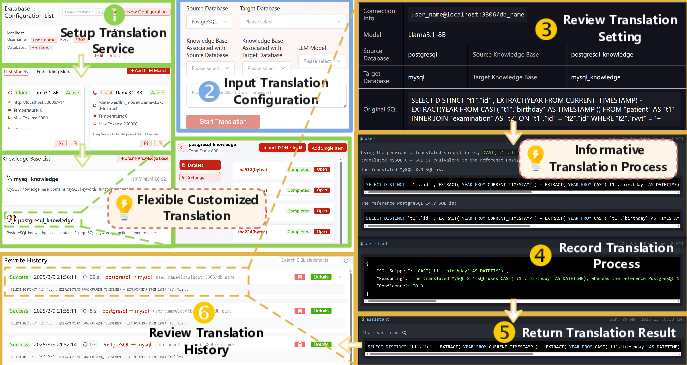
Figure 2: Demonstration of CrackSQL (Users submit translation requests through web console interface).
System Implementation
CrackSQL supports diverse operational modes, including rule-only, LLM-direct, and integrated Rule+LLM modes, each suited to different dialect requirements. By configuring user-defined parameters through a Translation Server, the system dynamically adapts its translation strategy, ensuring robust cross-dialect interoperability. Through a user-friendly interface and Python package deployment, CrackSQL facilitates widespread adoption in varied database migration scenarios.
Experimental Evaluation
The demonstration benchmarks dialect translations—Oracle to MySQL, Oracle to PostgreSQL—showcasing improvements in translation accuracy over existing systems. CrackSQL consistently reduces translation errors across multiple categories due to its hybrid design and refined query processing strategies.
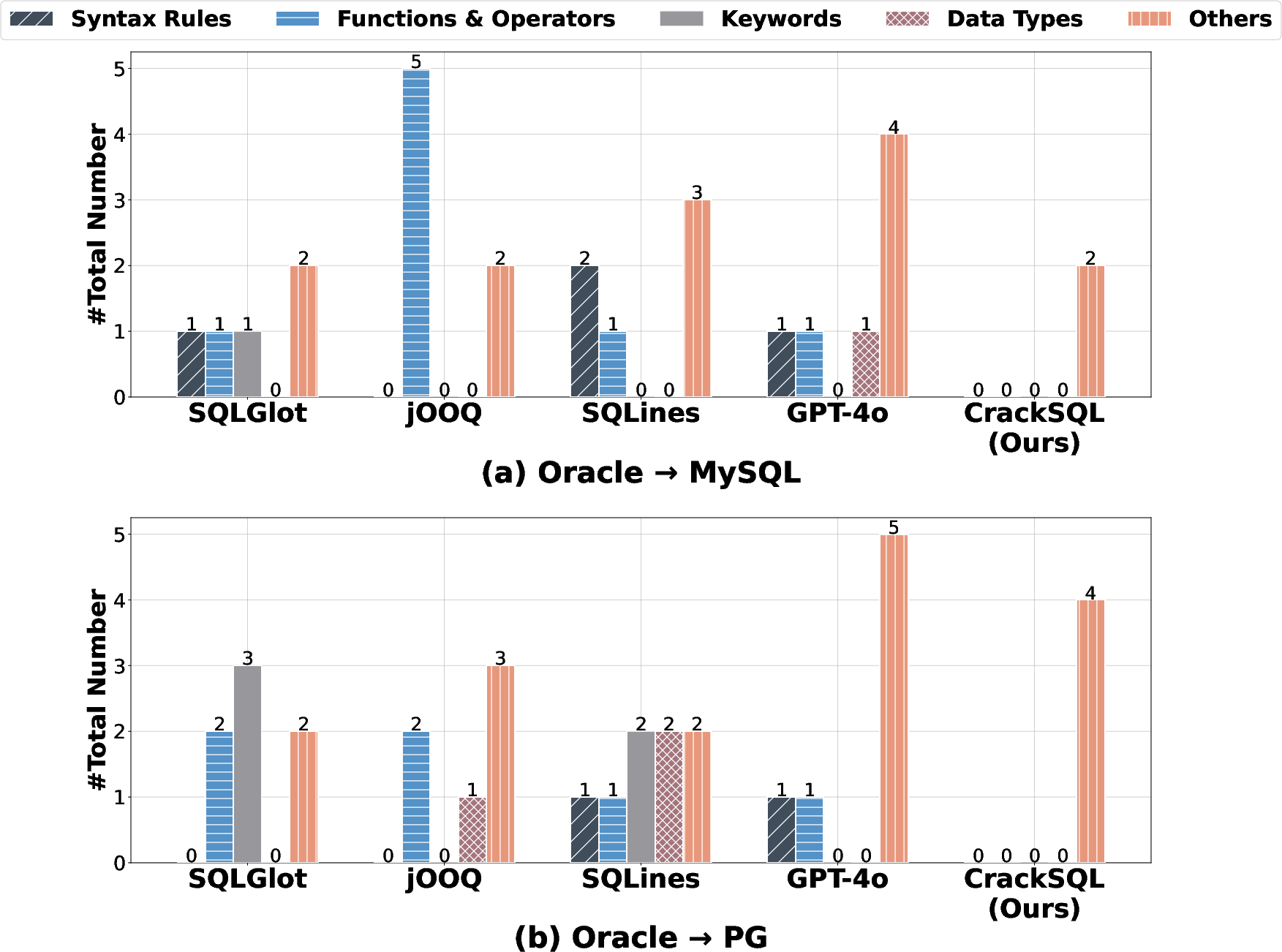
Figure 3: Error Distribution of Different Methods.
The empirical results underline CrackSQL's superiority in maintaining syntax correctness and functional equivalency across diverse queries, particularly outperforming rule-based methods and traditional LLM applications.
Conclusion
CrackSQL presents a comprehensive solution for SQL dialect translation challenges, integrating rule-based methods with LLMs to enhance reliability and ease of use. By actively segmenting queries and engaging cross-dialect embedding models, it achieves robust translations across syntactically intricate queries. CrackSQL's design not only addresses immediate translation needs but also paves the way for future applications in automated database migrations, significantly contributing to advancing SQL interoperability across diverse database environments.