- The paper introduces the DGT strategy that reinvests arbitrage profits to overcome the zero expected return of traditional grid trading.
- It employs dynamic grid resets triggered by price thresholds to continuously adapt to volatile cryptocurrency markets.
- Performance evaluations reveal up to 70% annualized returns and lower drawdowns compared to buy-and-hold and conventional grid methods.
This paper introduces the Dynamic Grid-based Trading (DGT) strategy as an enhancement to traditional grid trading methods, specifically targeting the volatile cryptocurrency market. By building upon the established grid trading framework, the DGT strategy aims to overcome the zero expected value inherent in conventional approaches, demonstrating superior returns through adaptive mechanisms.
Traditional Grid Trading Strategy
The research begins with an analysis of the conventional grid trading strategy, which utilizes a geometric arrangement of orders at proportional price intervals to capture market movements efficiently. The setup involves placing orders across multiple grid levels around the initial price, adjusting dynamically with market fluctuations.
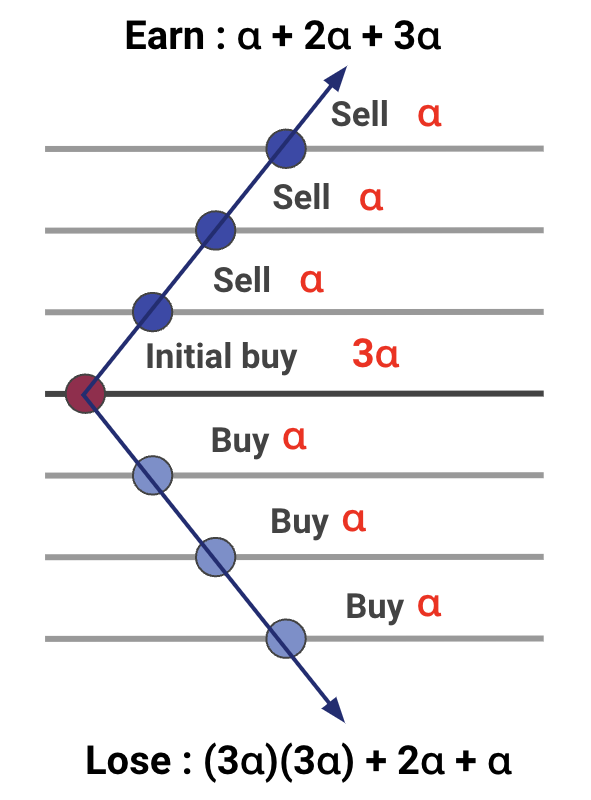
Figure 1: Grid trading detail information.
The grid trading model hypothesizes that with infinite capital and time, profitability is guaranteed, assuming constant trading across price oscillations. However, the expected value with finite resources and equal probability of price movement, neglecting fees, is shown to be zero. The analytical development and proofs provided underscore this limitation, leading to the conceptual foundation of the DGT strategy as a remedy.
Dynamic Grid-Based Trading Strategy
The Dynamic Grid-based Trading (DGT) strategy addresses the core shortcomings of traditional methods by maintaining operational continuity regardless of price barriers. This novel approach emphasizes reinvestment of arbitrage profits and adaptable grid resets, allowing continuous engagement with market conditions.
Algorithm Implementation
The DGT strategy is implemented using Python for backtesting, leveraging minute-level candlestick data from Binance over the period from January 2021 to July 2024. The algorithm activates grid resets whenever the asset's price breaches preset limits, thereby realigning trading operations around the current price for consistent market interaction.
1
2
3
4
5
6
7
8
9
10
11
|
def dgt_strategy(data, grid_size, grid_levels, fee):
    wallet, input_money = 0, initial_investment
    for price in data:
        if price > upper_limit:
            wallet += calculate_profit()
            reset_grid(price)
        elif price < lower_limit:
            hold_crypto()
            reset_grid(price)
        execute_trades(price, grid_size, grid_levels, fee)
return wallet, input_money |
The implementation exhibits the adaptability critical to the DGT strategy by tracking cumulative profits and maintaining dynamic grid structures to optimize returns.
The DGT strategy's efficacy was evaluated on Bitcoin (BTC) and Ethereum (ETH), meticulously comparing performance metrics with traditional methods and buy-and-hold strategies.
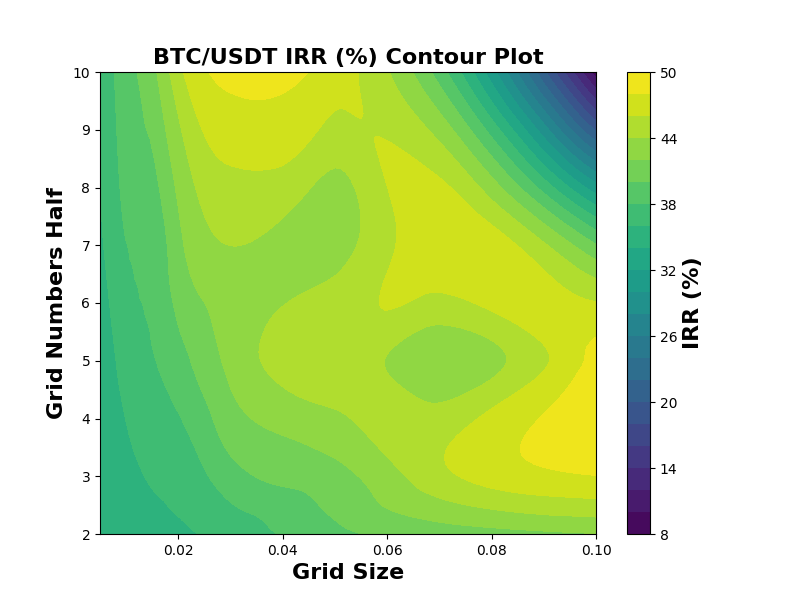
Figure 2: DGT strategy performance of BTC.
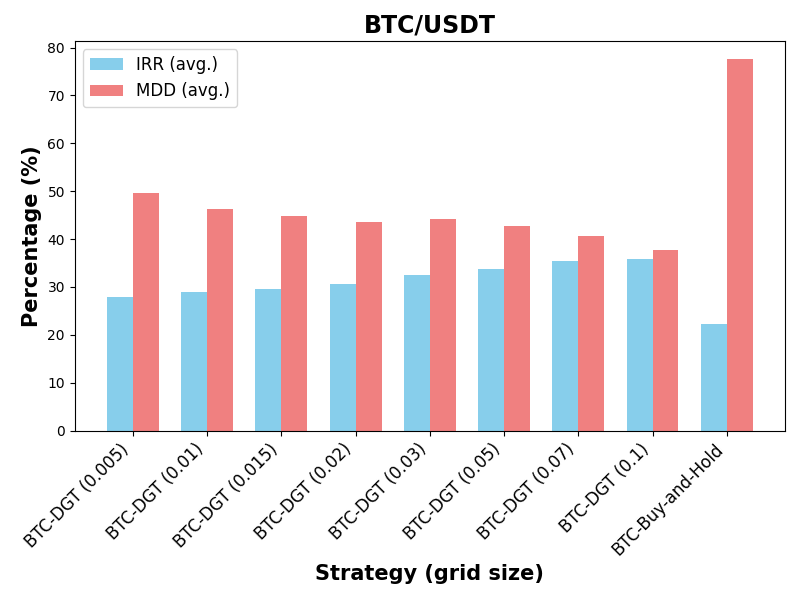
Figure 3: DGT strategy performance compared with buy-and-hold on BTC.
The results reveal strong annualized returns (IRR) for the DGT strategy, achieving up to 70%, taking advantage of the substantial price rises of major cryptocurrencies. Contrast with buy-and-hold reveals superior risk management through reduced maximum drawdown (MDD).
Discussion
The comparison between DGT and traditional trading strategies indicates distinct advantages in terms of capital efficiency and profitability. Figures presented in the report underscore the DGT strategy’s robustness over predefined grid settings, emphasizing reinvestment capabilities as a pivotal advantage.
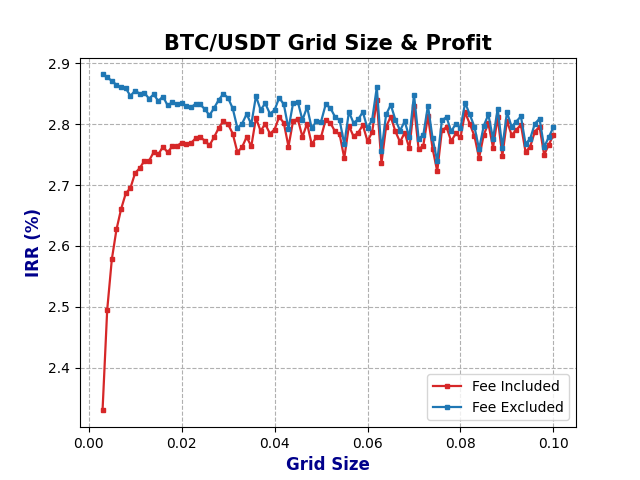
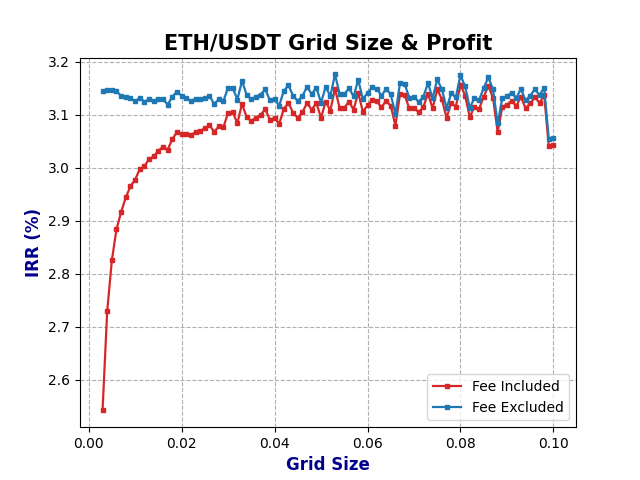
Figure 4: Traditional grid trading strategy on BTC and ETH.
Detailed scrutiny of DGT reveals refined performance metrics via strategic parameter optimization, affirming its superiority over conventional approaches.
Conclusion
This paper articulates that while standard grid trading encapsulates a high-risk, zero-expectation model for finite resources, the Dynamic Grid-Based Trading strategy demonstrates marked advancement in expected returns. Leveraging systematic arbitrage cycle resets allows the DGT strategy to efficiently harness market trends, offering enhanced opportunities for cryptocurrency investors.
Future research endeavors may focus on theoretical derivations of profit probabilities and expected returns, further validating the DGT model’s potential for optimizing trading operations in volatile markets.