- The paper introduces a differential-geometric framework that optimizes 3D limbless locomotion by modulating curvature and torsion for physically consistent simulation.
- It employs a Fourier–Chebyshev basis and stochastic gradient estimators (FDSA and SPSA) to represent deformations and yield stable, energy-efficient gaits.
- The framework integrates realistic force models and energy regularization, outperforming genetic algorithms by preventing self-intersections and nonphysical motions.
Differential-Geometric Optimization of Limbless Locomotion
This work introduces a differential-geometric framework for physically consistent simulation and optimization of limbless locomotion in three dimensions, targeting applications in computational modeling, soft robotics, and computer graphics. The central representation is a C2 space curve γ(s,t), parameterized by normalized arc length s and time t, defining the centerline of the soft body (e.g., snake or eel). Importantly, the model directly parameterizes internal shape via curvature κ(s,t) and torsion τ(s,t), and reconstructs global pose by integrating the Frenet–Serret equations—a formalism capturing the full geometrical behavior (local tangent, normal, binormal), separating intrinsic and extrinsic degrees of freedom.
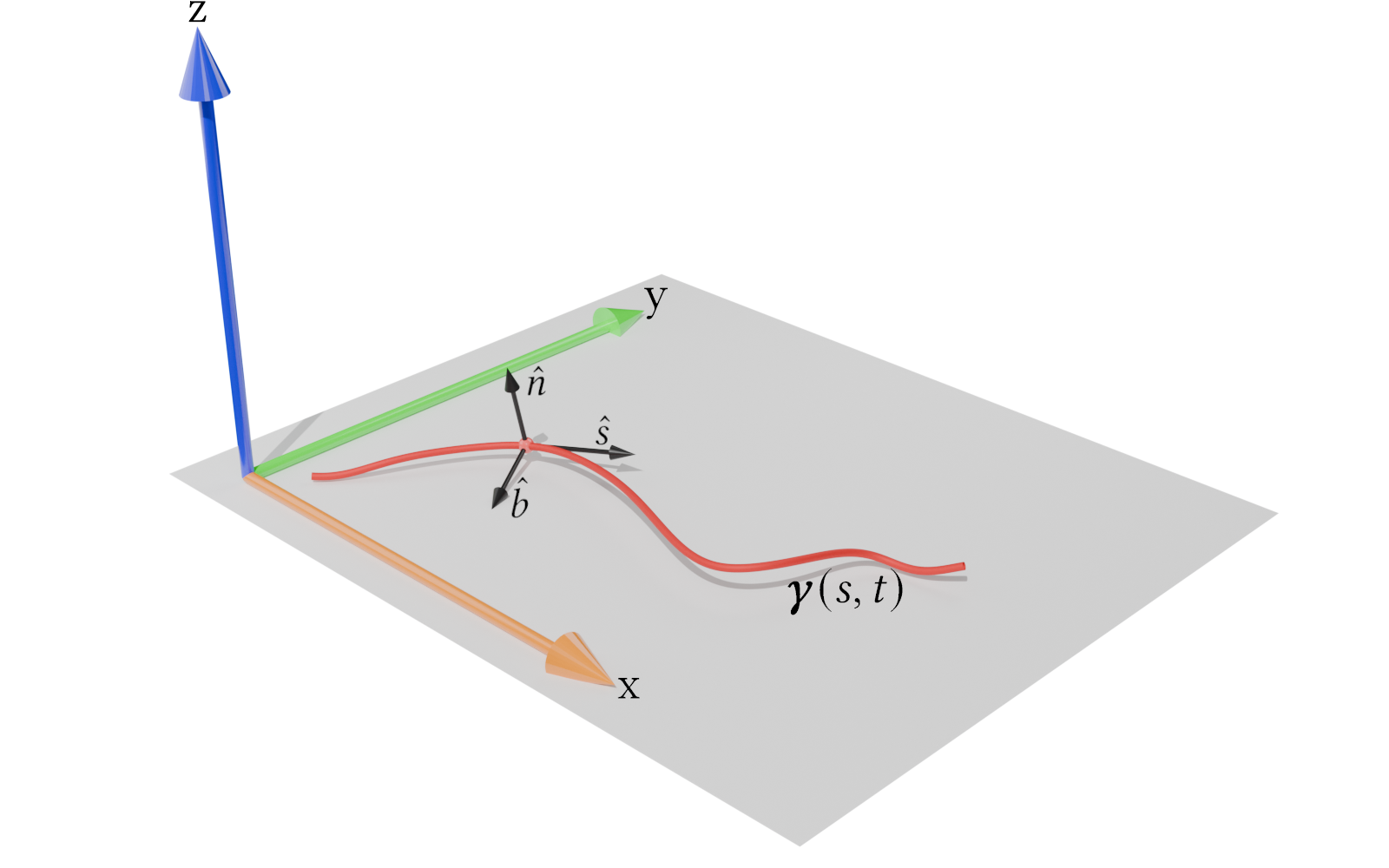
Figure 1: Representative configuration of a limbless body centerline γ(s,t) at fixed time, illustrating the interaction between local geometry and the global 3D position.
The motion is explicitly governed by physical interactions: ground contact (with regularized vertical force), anisotropic friction (direction-dependent, mimicking ventral scale geometry), and gravity projected on arbitrarily inclined planes. The spatial and temporal variations in κ and τ are expressed via a Fourier–Chebyshev basis, yielding a high degree of flexibility in representing body deformations while preserving a compact parametric control space.
Physically Consistent Optimization and Constraints
The approach frames locomotion generation as a stochastic optimization task. The cost function combines translational mechanical work (power dissipated by friction and internal viscous strain), regularization terms based on bending and torsional energies, and penalties on net rotation to achieve energy-efficient, physically plausible, and directionally stable gaits:
- The frictional work is evaluated per-segment using accurate, continuous projection of local velocities onto anisotropic friction axes.
- Bending and torsional energy integrals regularize curvature and twist, preventing self-intersections and nonphysical contortions (see Figures 12 and 13).
- The translational displacement of the center of mass, normalized by control bounds on the Fourier–Chebyshev amplitudes, provides a canonical efficiency metric.
Numerical optimization is performed via two gradient-free stochastic gradient estimators: Finite-Difference Stochastic Approximation (FDSA) and Simultaneous Perturbation Stochastic Approximation (SPSA). Both leverage adaptive learning rates and momentum, with enforcements for coefficient bounds to restrict deformations to physically meaningful regimes. The global motion (translation and rotation of the frame at s=0) is dynamically integrated at each time step by numerically solving for zero linear and angular momentum residuals.
Effects of Model and Environmental Parameters
A salient feature of this methodology is its ability to dissect the influence of mechanical and control parameters on motion:
- Friction anisotropy: Systematic scans of γ(s,t)0 reveal that high transverse (normal) friction and high backward friction enable conversion of undulatory deformation into net forward movement; near-isotropic friction obviates effective propulsion, producing mostly slippage (Figures 2–4).
- Coefficient bounds: Moderate increases in the allowed amplitude of curvature/torsion coefficient expand the available deformation motifs without leading to unrealistic snap-jointed or overtwisted bodies. Excessive amplitudes can, in the absence of regularization terms, rapidly induce unphysical phenomena (self-intersection, excessive twist, or instability).
- Mass heterogeneity: Non-uniform mass profiles introduce subtle modulation of local dynamics, influencing body-ground reaction patterns, and contribute to smoother, more stable propulsion when appropriately coupled with energy regularization (Figures 5–6).
- Energy regularization: Omission of bending energy fosters self-crossing; omitting torsion energy results in pathologically twisted patterns (Figures 12–13). The inclusion of both terms robustly enforces geometric consistency.
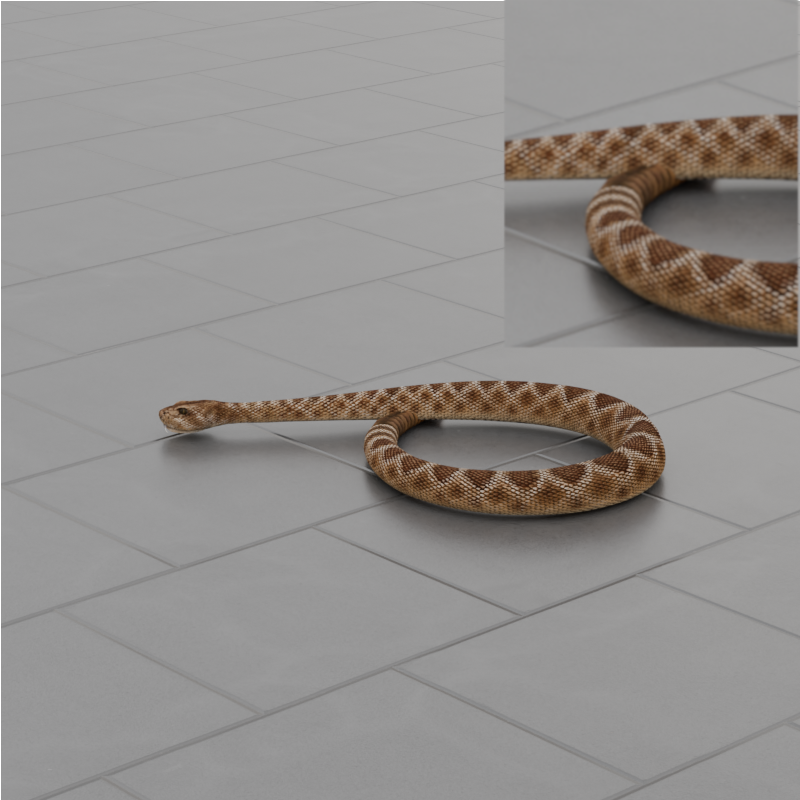
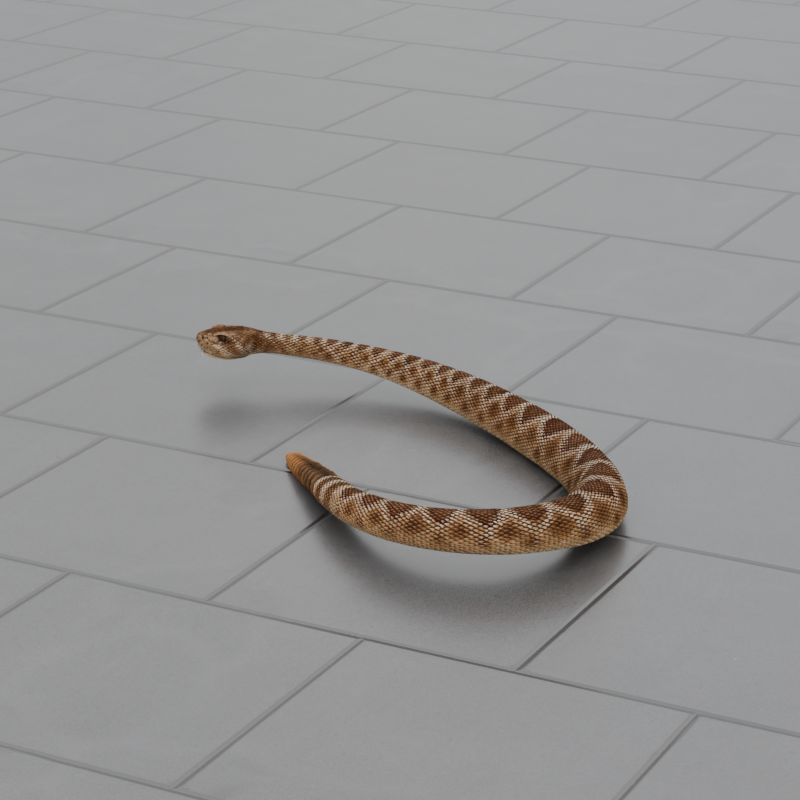
Figure 2: Bending energy regularization suppresses self-intersection, with the left panel showing self-overlap in its absence and the right panel depicting a regularized configuration.
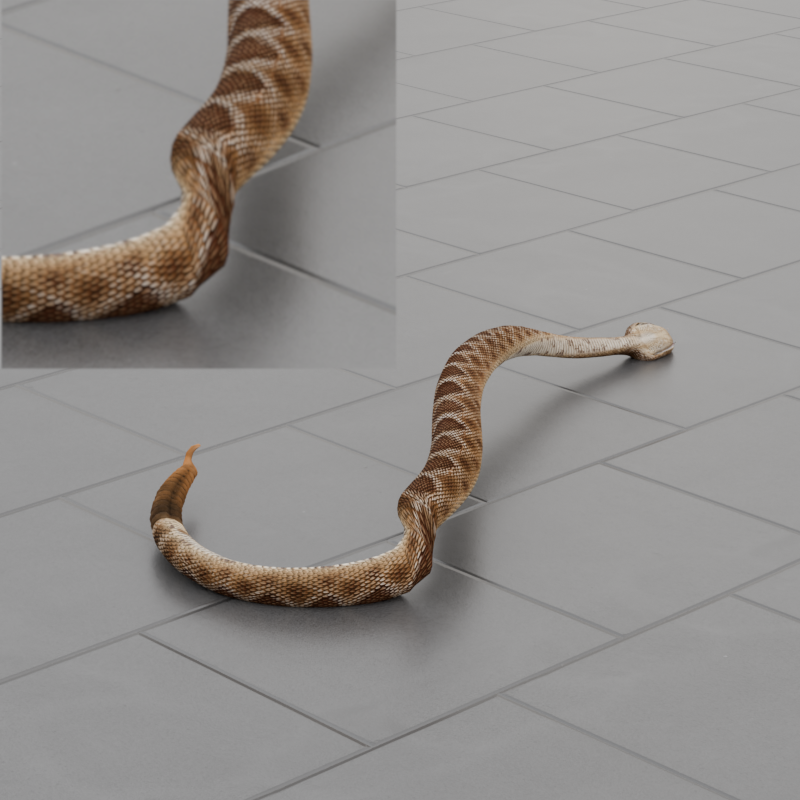
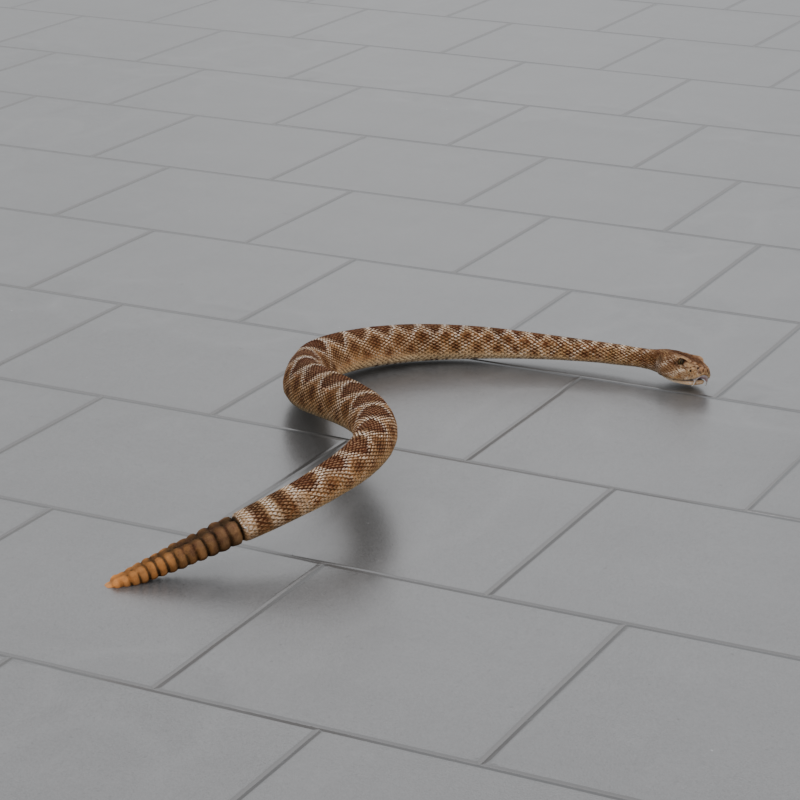
Figure 3: Torsion energy regularization eliminates excessive twist; left: nonphysical rotation, right: smooth, physically plausible torsion.
Comparative Evaluation and Locomotion Regimes
Direct simulation and optimization reveal diverse 3D locomotor regimes:
- Serpentine and sidewinding: On level or inclined ground, solutions recover biologically plausible serpentine and sidewind-like gaits, with sequential body lifting and segmental contact consistent with empirical observations.
- Adaptation across optimizer classes: SPSA converges rapidly but exhibits larger variance in cost, whereas FDSA yields more stable, lower-energy periodic gaits (Figures 7–8).
- Swimming-like motion in fluids: By increasing bending and torsional penalties and tuning friction to quasi-isotropy, the method generates fluid-like undulatory patterns, reproducing eel-like swimming (Figure 4).
- Comparison with genetic algorithms: Prior approaches based on genetic optimization fail to suppress jitter and self-intersection, yielding irregular and uncoordinated gaits (Figure 5), whereas the present method achieves superior energetic and geometric stability.
Theoretical and Practical Implications
The framework demonstrates that optimal limbless locomotion in complex environments emerges from the interplay of geometric control (curvature and torsion modulation), realistic force laws, and energetic cost minimization. Notably, the formal separation of intrinsic body deformation and extrinsic motion allows for scalable, physically meaningful simulation as well as direct integration with high-fidelity visualization pipelines.
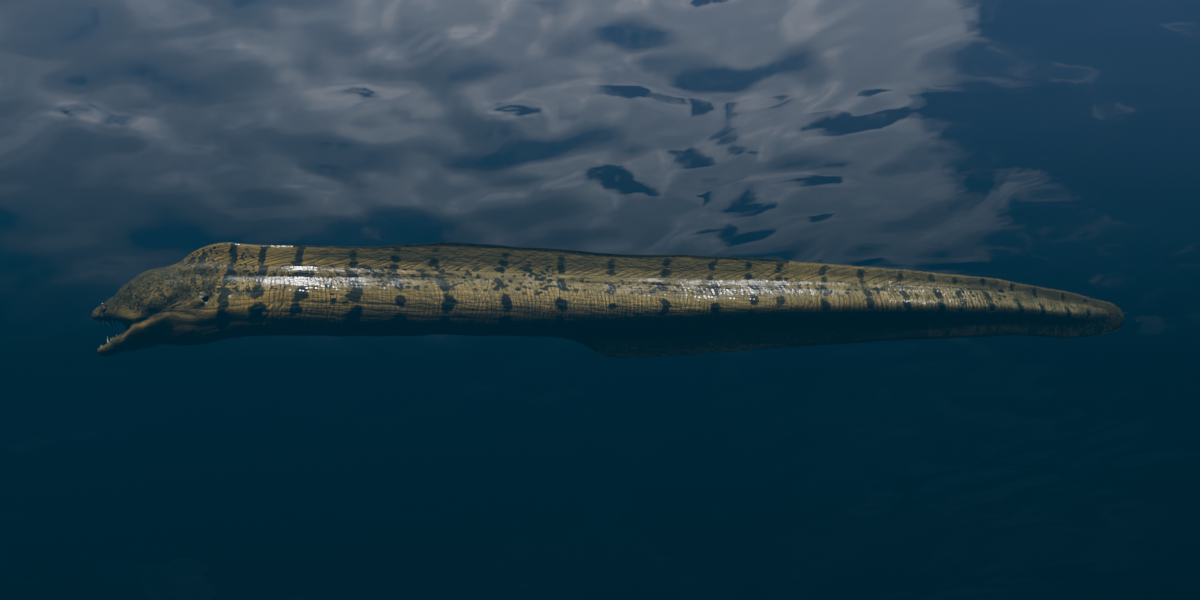
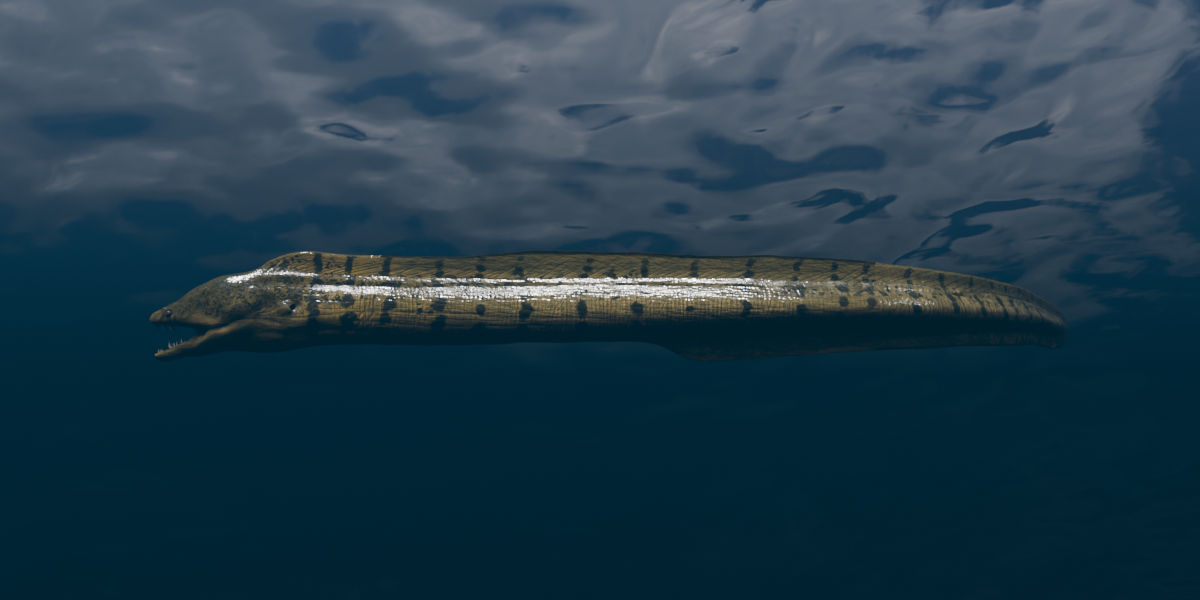
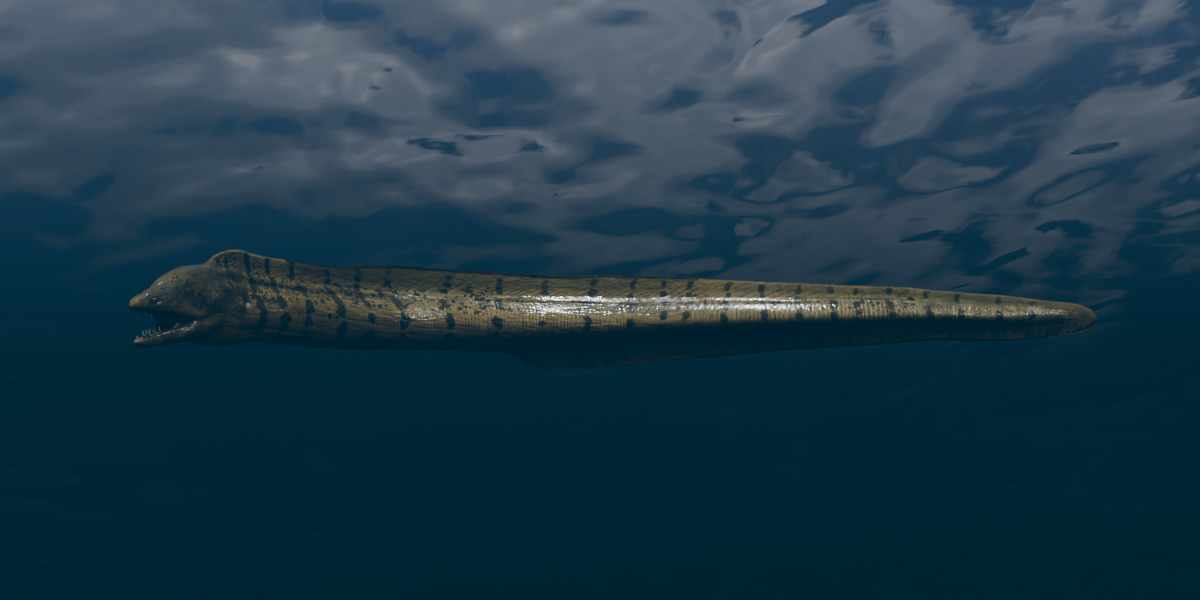
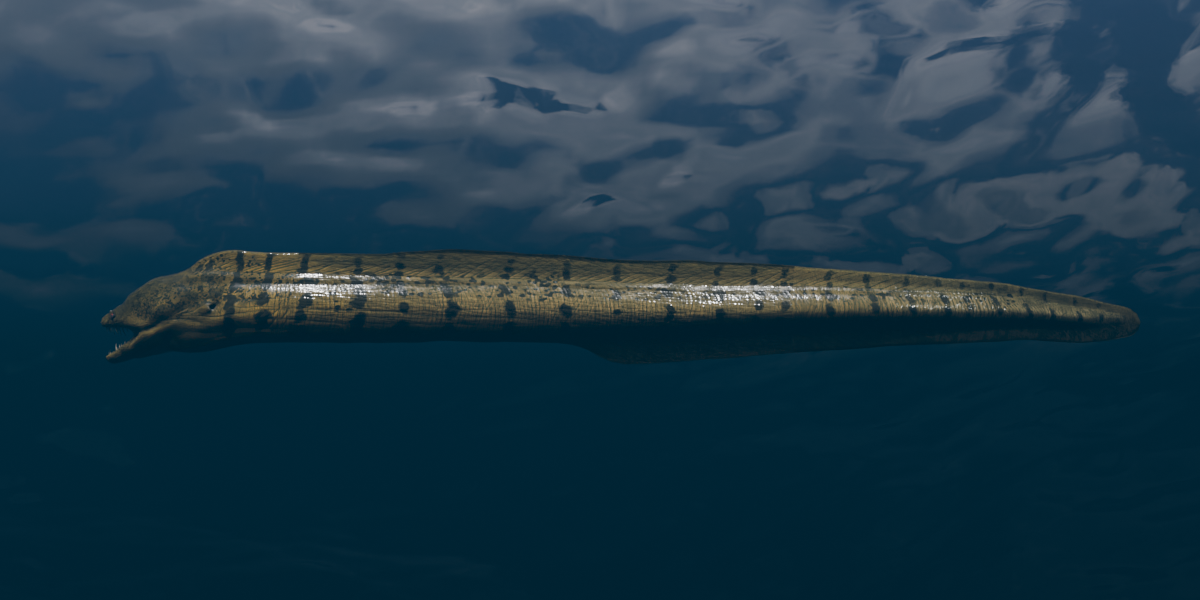
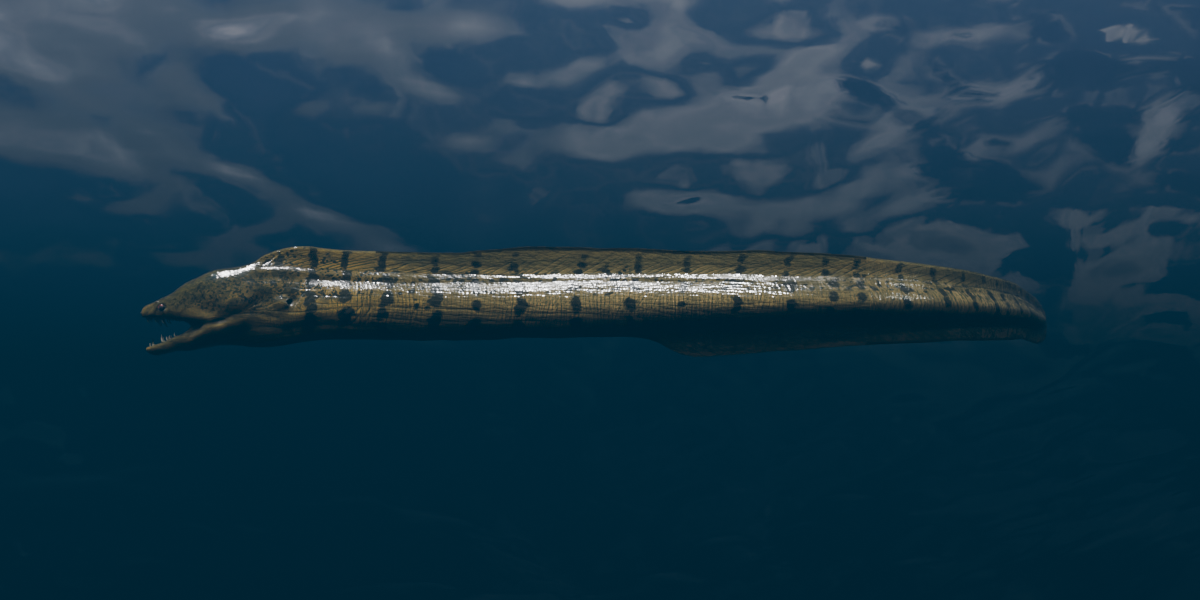
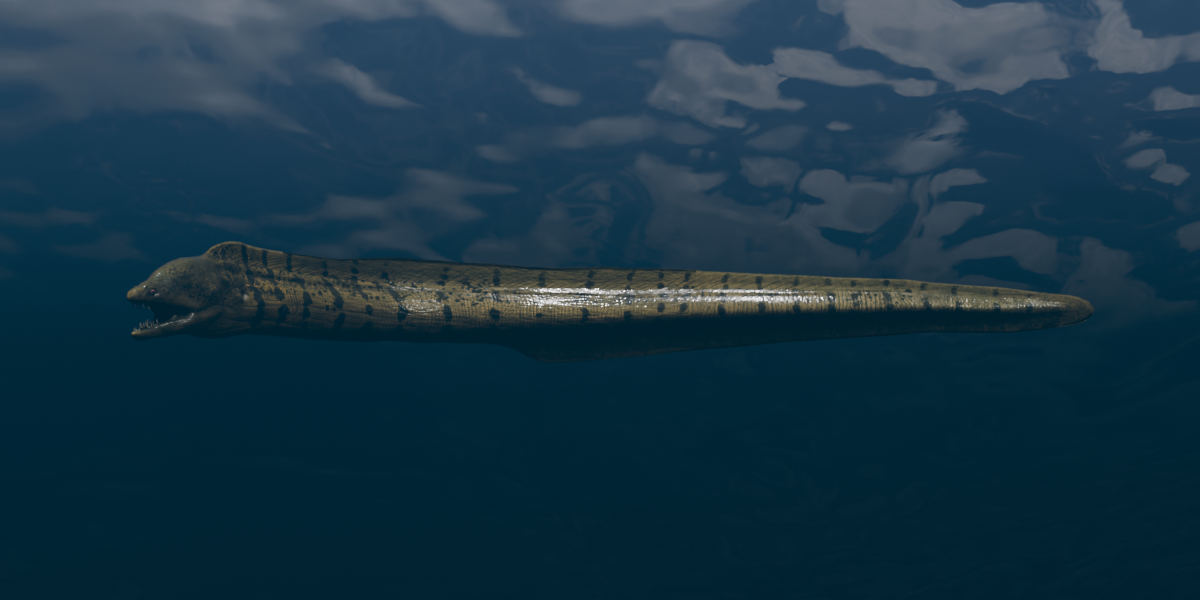
Figure 4: Extension of the model to eel-like swimming, capturing wave-mediated propulsion with strong torsional regularization in a fluidic regime.
The practical implications are significant for soft-robot design and control. By leveraging a compact parametric basis and robust stochastic optimization, limbless robots or graphics assets can rapidly adapt to task- or context-specific environmental and physical parameters—yielding energetically efficient, non-self-intersecting, and controllable movement. This representation is extensible: additional environmental complexity (granular substrates, compliant media) or advanced actuation models (arbitrary internal strain constraints, time-varying material properties) may be directly incorporated via modifications to the underlying cost function and constraint set.
Conclusion
This study establishes a rigorous, extensible foundation for physically coupled shape- and environment-aware optimization of 3D limbless locomotion. The geometric parameterization via curvature and torsion, stochastic derivative-free optimization, and strict enforcement of energy regularization collectively enable stable, efficient, and realistic locomotion across a broad variational landscape, outperforming previous models in both physical plausibility and numerical performance. These results suggest future developments in learning-based control, real-time optimization for robotic deployment, and further integration of hydrodynamic or granular substrate models to bridge simulation and bio-inspired robotic actuation (2607.00524).