- The paper presents SpiderSim, a rapid and modular multi-agent platform for generating and validating cybersecurity scenarios in industrial settings.
- It introduces a three-layered architecture that combines unified scenario modeling, coordinated agent collaboration, and atomic security modules.
- Case studies in marine ranch monitoring demonstrate its practical impact in enhancing cyber defense through automated attack-defense experiments.
Overview of SpiderSim in Cybersecurity Simulation
The paper "SpiderSim: Multi-Agent Driven Theoretical Cybersecurity Simulation for Industrial Digitalization" (2502.13778) presents a novel platform tailored to address the challenges of cybersecurity in the rapidly evolving landscape of industrial digitalization. SpiderSim stands out by offering an innovative approach to scenario generation that is both rapid and lightweight, combining structured modeling, multi-agent collaboration, and modular security capabilities. The primary objective is to enhance the efficiency and coverage of attack-defense simulations across various industrial contexts without compromising on theoretical rigor or practical applicability.
SpiderSim is underpinned by a three-layered architecture that facilitates the conversion of abstract security requirements into executable scenarios. This architecture includes:
- Unified Scenario Modeling Framework: At the foundation lies a structured methodology for scenario construction, which includes comprehensive domain analysis, decomposition of problems, detailed scenario specifications, objectives definition, and essential element composition. This methodology ensures standardized quality across scenarios while allowing customization to maintain relevance in diverse contexts.
- Multi-Agent Collaboration Mechanism: Driven by synchronized communication channels, the platform enables automated scenario generation and validation. Through continuous refinement processes, it dynamically adapts based on emerging requirements and validation results, ensuring efficiency and completeness.
- Atomic Security Capabilities: The platform supports the construction of complex attack-defense scenarios using modular components such as Shocktrap modules, honeypots, and vulnerability scanning, facilitating customized security solutions or individual module testing. This modularity allows flexibility and encourages third-party module contributions to expand the platform's capabilities.
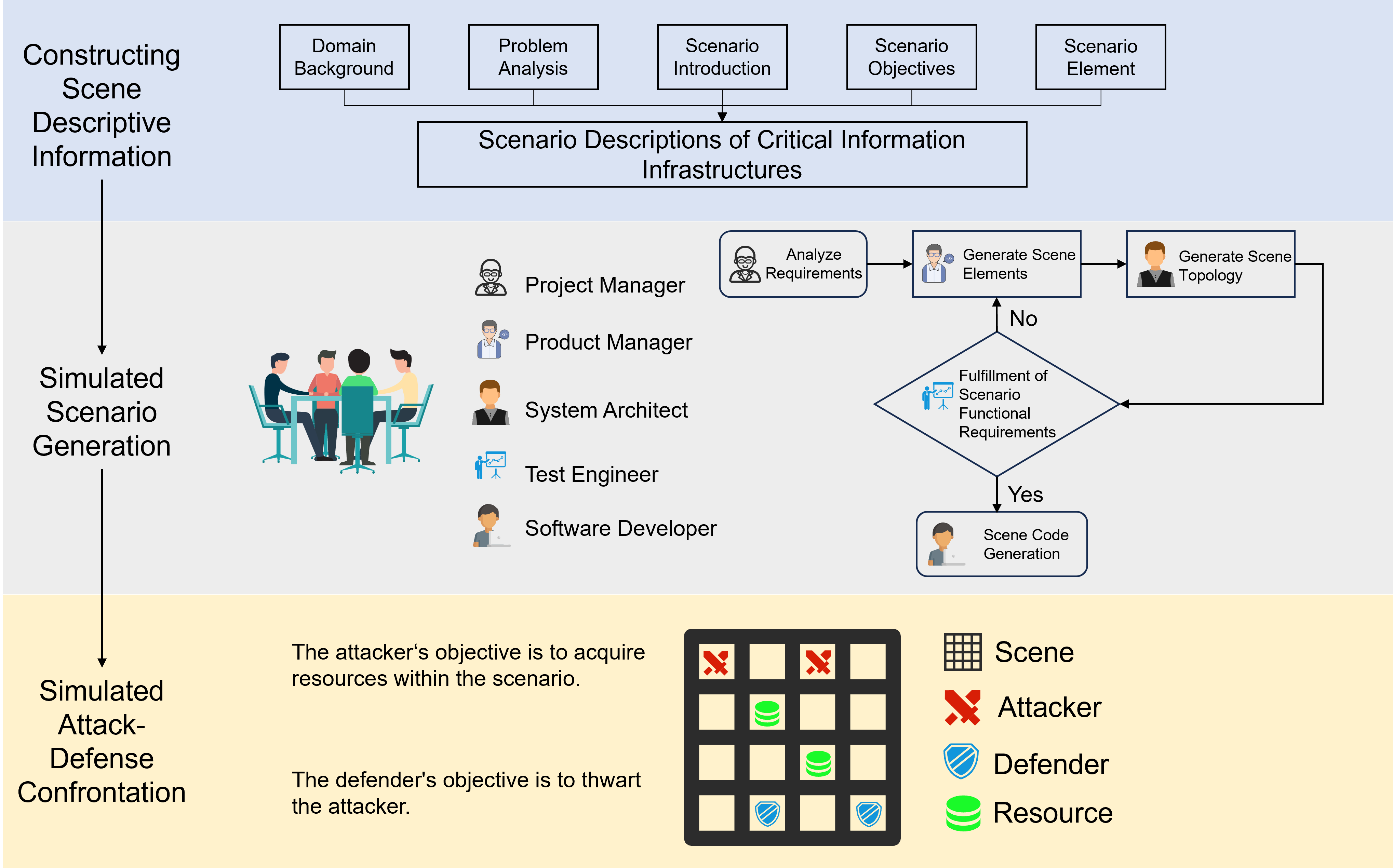
Figure 1: Automated scenario generation and experimental framework
Practical Implementation and Case Studies
SpiderSim's practical applicability is demonstrated through its implementation in marine ranch monitoring systems. The digital environment constructed uses advanced sensors, control networks, video surveillance, and remote maintenance systems. Within this framework, the platform conducts cyber attack-defense experiments, developing a comprehensive security protection scheme tailored to counter typical threats to the infrastructure.
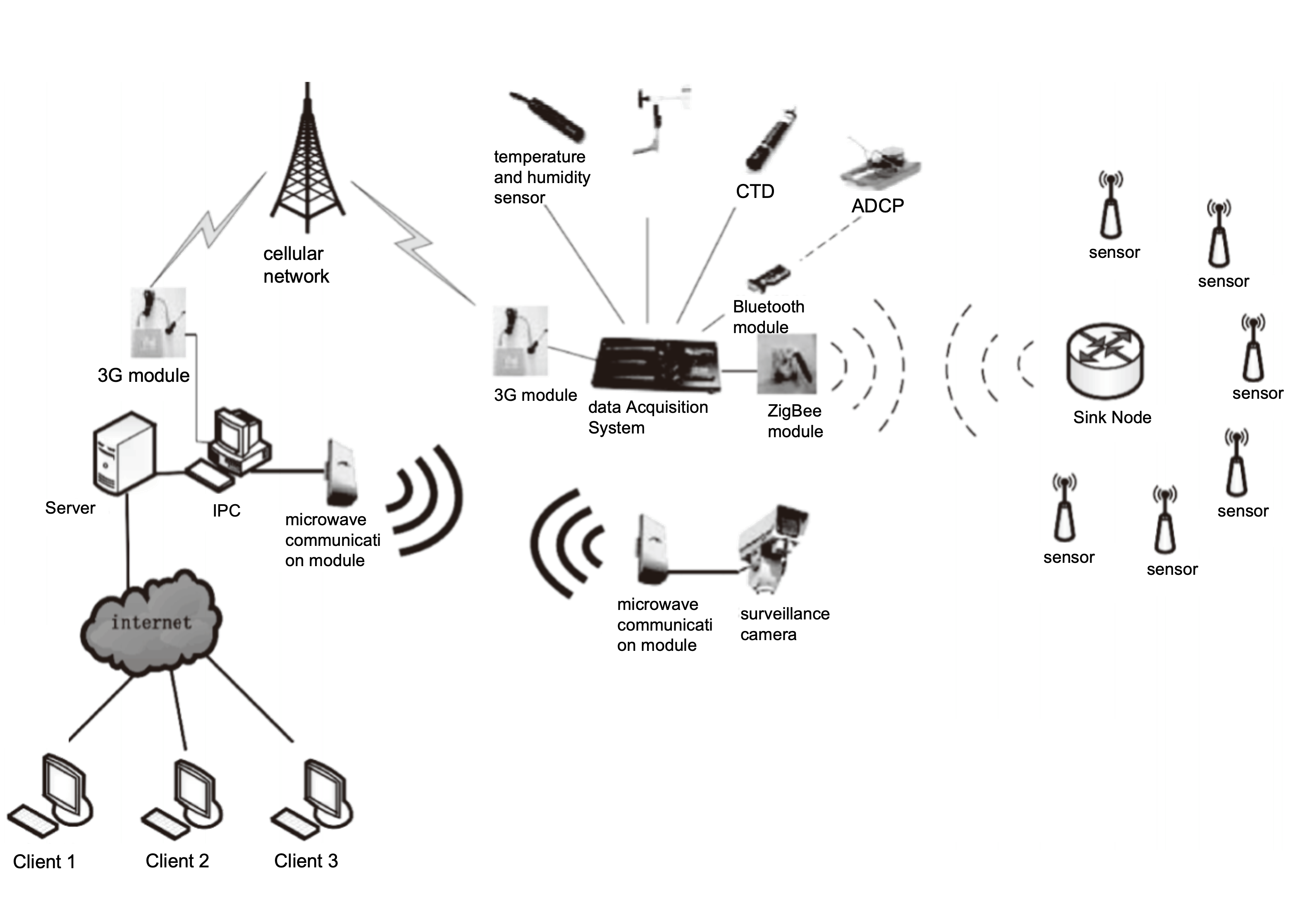
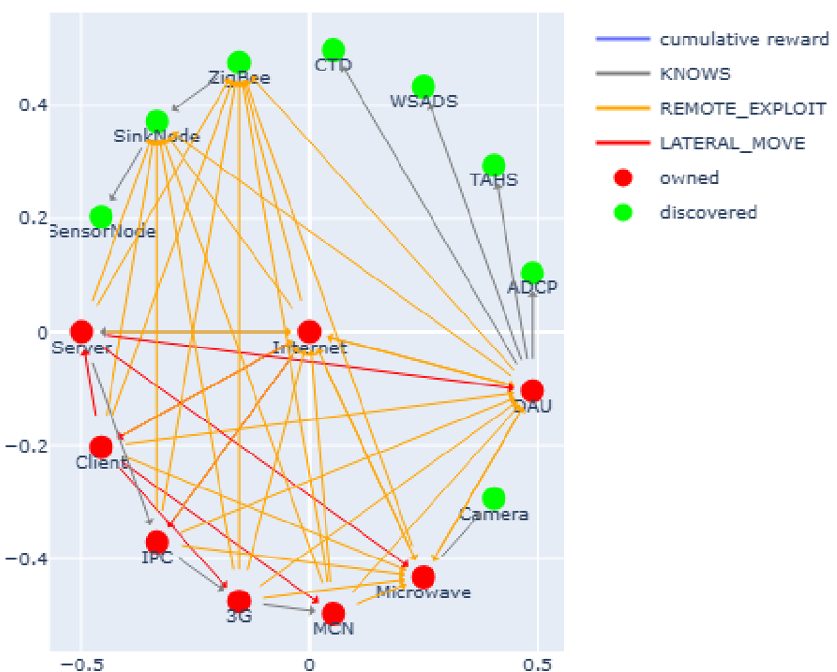
Figure 2: The framework for the marine ranch monitoring system
SpiderSim's adaptive simulation capabilities are highlighted in these experiments, showcasing its effectiveness in mitigating risks and enhancing security resilience.
Implications and Future Prospects
SpiderSim's approach facilitates broader research and development opportunities in the field of automated security testing for industrial digitalization. The platform's open-source nature encourages collaborative optimization and development of security strategies. Future research may focus on expanding coverage to include more diverse industrial contexts or integrating AI-driven automation for even more refined scenario generation.
SpiderSim offers a robust foundation for further exploration into automated security solutions, suggesting promising pathways for enhancing cybersecurity practices in increasingly complex digital landscapes.
Conclusion
SpiderSim marks a significant advancement in theoretical cybersecurity simulation platforms. By integrating rapid scenario generation with multi-agent collaboration and modular atomic capabilities, it provides an efficient, comprehensive solution for industrial digitalization contexts. As an open-source tool, it invites ongoing development and optimization, aiming to strengthen global cybersecurity infrastructure in the face of evolving digital threats.
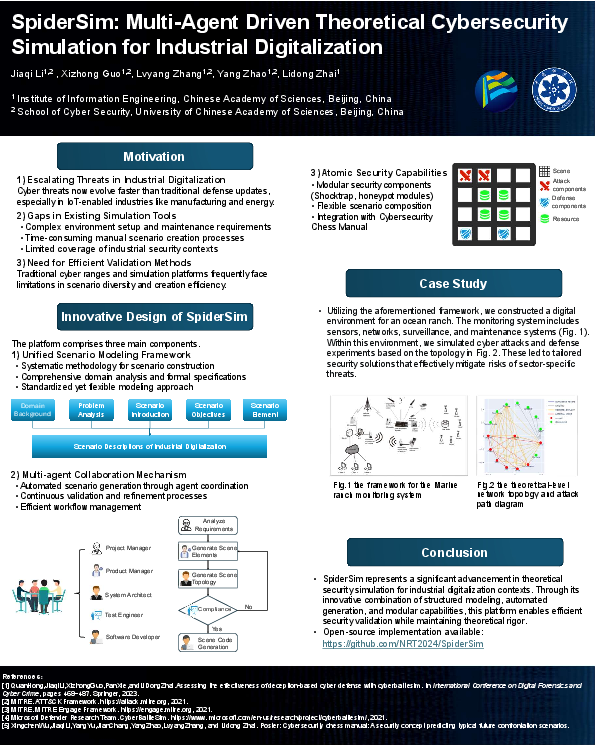
Figure 3: Visual representation of the SpiderSim simulation process.