- The paper introduces a detection system for Varroa destructor mites using narrow spectra illumination combined with hyperspectral imaging and U-net segmentation.
- It details the modification of the FÄielka-Thor 3000 with a Raspberry Pi HQ camera and specific LED wavelengths (500 nm, 780 nm, cold white) for precise image capture.
- Key metrics like the Satisfied Bee Metric validate the approach, while identified false negatives highlight areas for future enhancement.
Development of a Detection System for Varroa Destructor Mites Using Narrow Spectra Illumination
Introduction
The paper "Towards Varroa destructor mite detection using a narrow spectra illumination" (2504.06099) presents a methodology for enhancing the detection of Varroa destructor mites in beehives based on hyperspectral imaging combined with advanced computer vision techniques. These mites pose significant risks to bee populations, compromising hive health and productivity. Traditional monitoring methods are often inefficient, prompting the need for automated detection systems that can swiftly and accurately identify mites. The authors propose the utilization of specific wavelength illumination to improve differentiation between bees and mites, complemented by the semantic segmentation capabilities of U-net architectures.
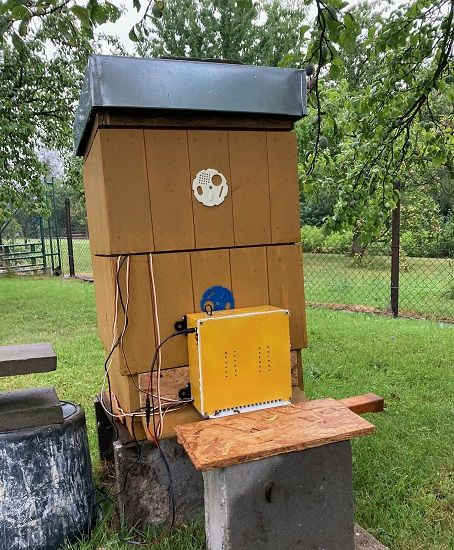
Figure 1: FÄielka-Thor 3000 mounted on the beehive.
Methodology
Hardware and Data Acquisition
The research involved the modification of an existing beehive monitoring device, FÄielka-Thor 3000, which was equipped with a sophisticated illumination unit consisting of LEDs emitting at specific wavelengths (500 nm, 780 nm, and cold white) to enhance differentiation during image capture. Hyperspectral data acquisition was performed using a Raspberry Pi HQ camera configured to capture multiple images under different illumination conditions for improved image calibration and segmentation capabilities.
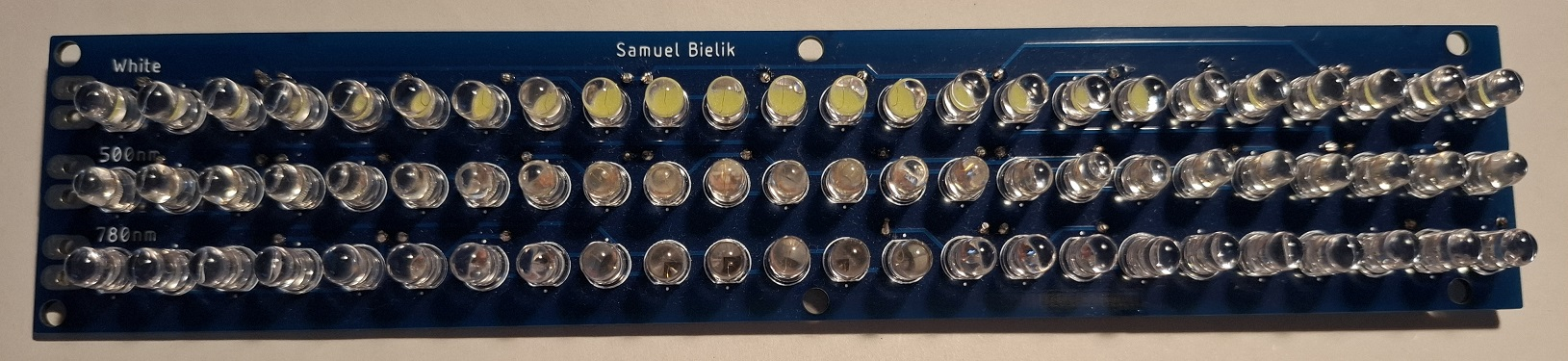
Figure 2: LED illumination unit.
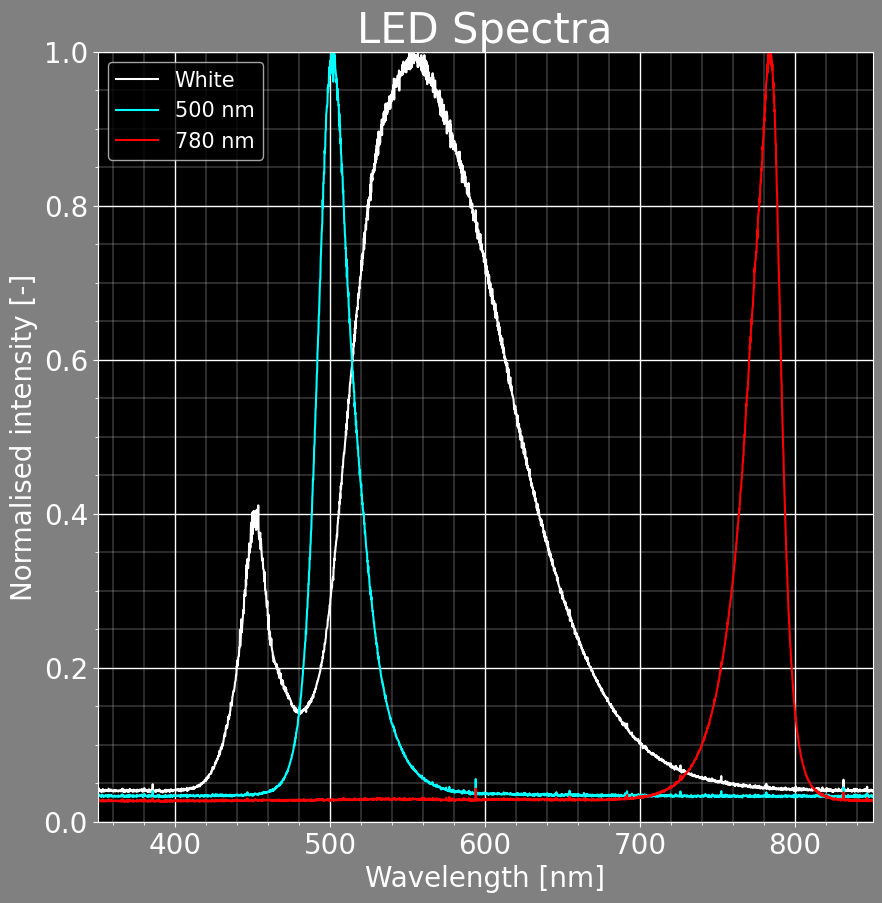
Figure 3: Measured LED spectra.
Dataset Composition
A comprehensive dataset was curated, containing images divided into categories based on the presence and treatment state of mites. This dataset was essential for training and evaluating the segmentation models. Annotations were performed using LabelStudio, facilitating segmentation of regions in images representing bees, mites, and backgrounds, with each image characterized by uniform pixel dimensions.
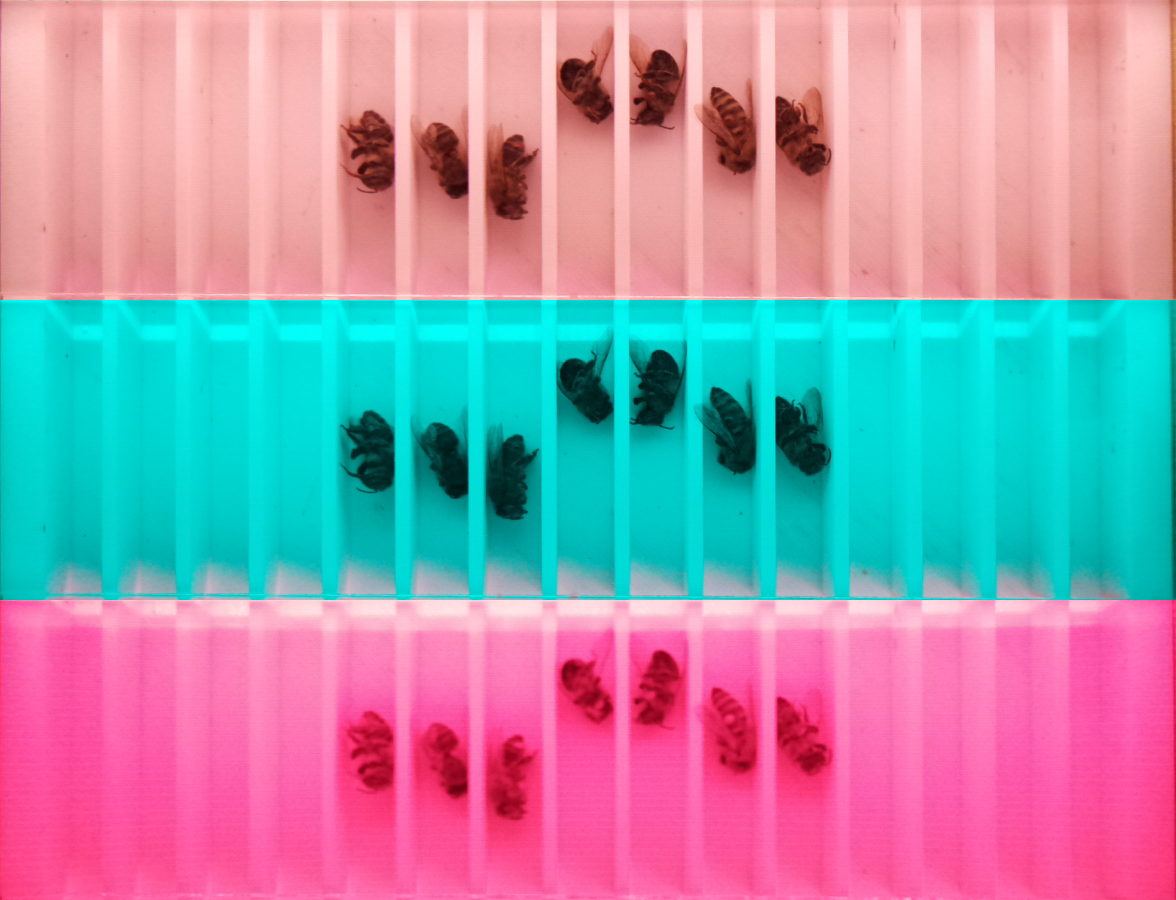
Figure 4: Example of photos in dataset.
Segmentation Approach
The primary method utilized was a semantic segmentation framework based on U-net architecture, allowing for precise identification and classification of mites within images. With training parameters optimized for performance on infrared-imaged data, the implementation aims at maximizing detection accuracy while minimizing false positives and negatives.
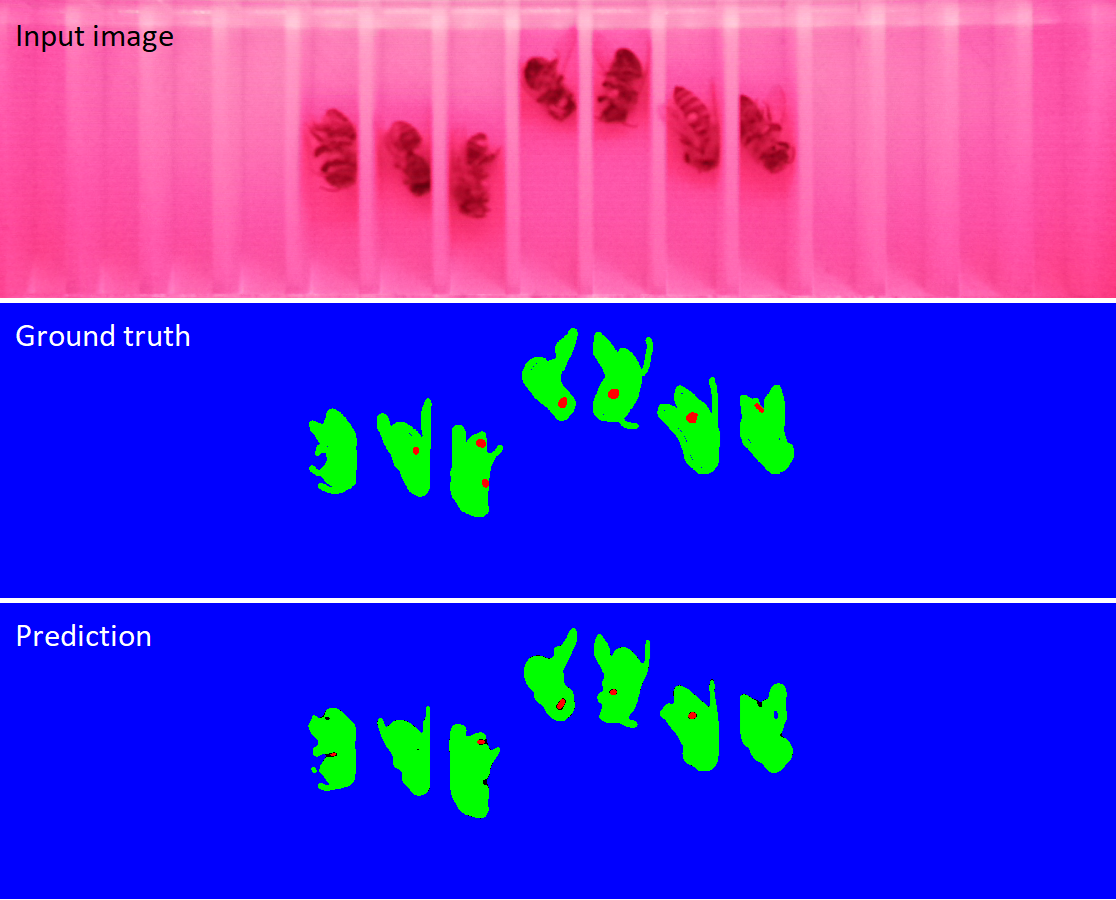
Figure 5: Output of the U-net model.
Results and Analysis
The experimental results demonstrated that the proposed segmentation approach effectively distinguished between bees and Varroa mites. However, the evaluation highlighted challenges such as a relatively high false negative rate, impacting the robustness of the detection model. The detection metric employed, named the Satisfied Bee Metric (SBM), was crucial in assessing model performance and guiding future enhancements to improve detection accuracy.
Discussion
The authors identified several limitations in the current approach, notably the need for improved detection precision and inference speed. The consideration of conventional computer vision methods illustrated potential alternatives yet emphasized the superiority of machine learning models due to their contextual assessment capabilities across pixels.
The implications of this research span practical beekeeping applications, with the potential to integrate these automated detection systems into hive management processes, reducing manual inspection overhead. Furthermore, the method's adaptation to real-time conditions is pivotal for future developments.
Conclusion
The work contributes to bee health monitoring via innovative detection technologies, offering a foundation for further research aimed at optimizing segmentation models and enhancing mite detection reliability. Future explorations will focus on minimizing false negatives, developing real-time processing capabilities, and improving overall system efficiency. Collaborative efforts with veterinary experts can also refine intervention metrics, enabling effective disease management strategies within apiculture practices.

