- The paper details the evolution of AI agents from rule-based systems to advanced deep reinforcement learning architectures, achieving superhuman performance in decision-making tasks.
- The paper explores integrated planning, reasoning, and memory mechanisms that enable agents to adapt through hierarchical and model-based strategies in dynamic settings.
- The paper outlines challenges in safety, interpretability, and ethics while proposing interdisciplinary research directions, including hybrid symbolic-subsymbolic models.
Introduction
The paper "A Comprehensive Review of AI Agents: Transforming Possibilities in Technology and Beyond" (2508.11957) provides an extensive examination of the evolution, current capabilities, and future potential of AI agents. AI agents have progressed from early rule-based systems to sophisticated autonomous entities capable of complex decision-making across diverse environments. This paper systematically reviews the architectural and methodological advancements that have facilitated such transformation and highlights key challenges that remain in the pursuit of highly integrated, safe, and interpretable AI agents.
Core Components and Architectures
AI agents rely on a combination of memory systems, decision-making frameworks, perception modules, and an ability to interact with the environment. Recent advancements have integrated deep learning with reinforcement learning (DeepRL), leading to AI agents achieving superhuman performance in games and decision-making tasks. Key architectures discussed include hierarchical reinforcement learning, LLMs, and cognitive science-inspired systems, emphasizing their role in enabling agents to mimic human-like reasoning and adaptability.
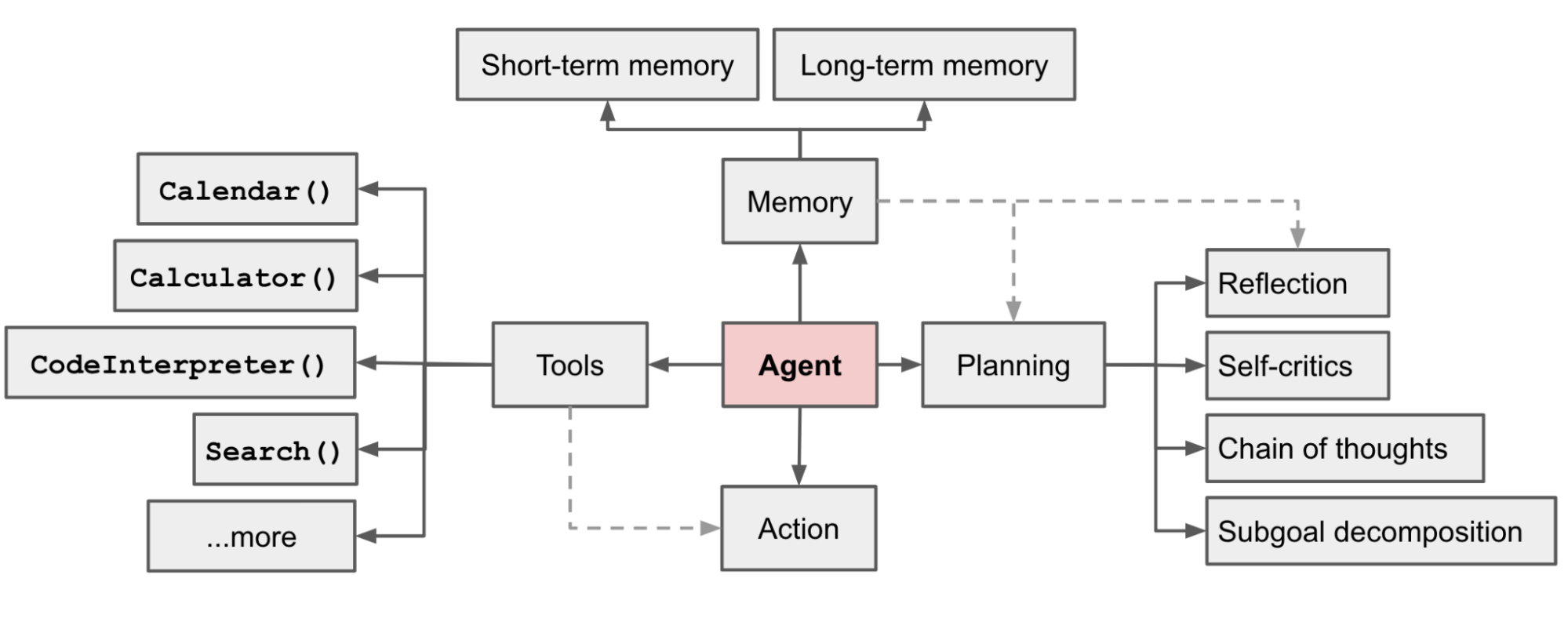
Figure 1: An overview of an AI Agent's core components.
Planning and Reasoning
Modern AI agents incorporate planning and reasoning modules that integrate symbolic and subsymbolic methods, allowing them to anticipate future states and devise long-term strategies. Techniques such as hierarchical reinforcement learning and model-based reasoning provide a framework for agents to perform sophisticated problem-solving in dynamic environments. Notable approaches include hierarchical decision-making, chain-of-thought reasoning, and the Reflexion framework, which enhances agent learning through self-reflection and linguistic feedback.
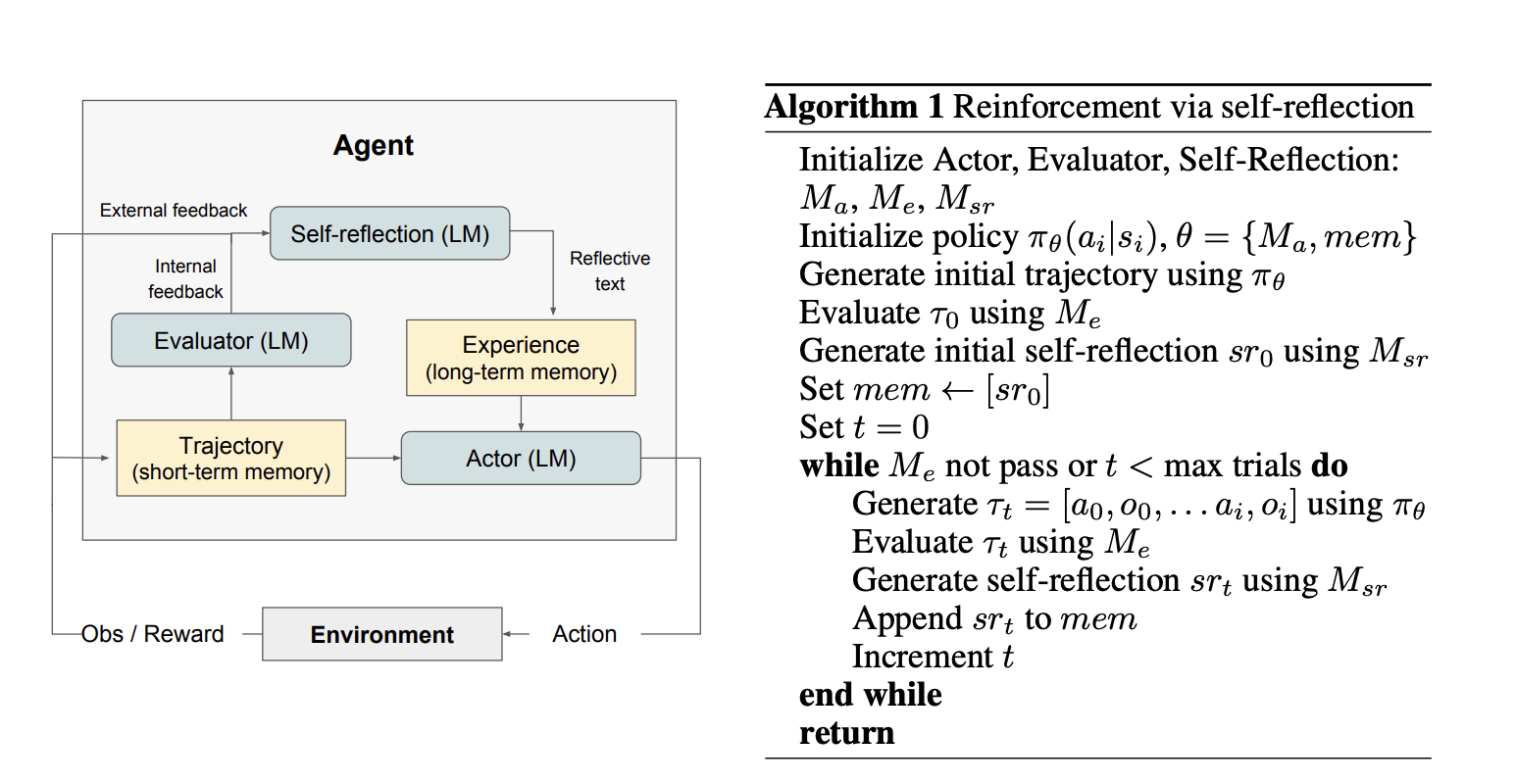
Figure 2: An overview of the Reflexion framework.
Memory plays a crucial role in AI agents, facilitating the storage and retrieval of contextual and procedural information. Distinctions between short-term and long-term memory processes help define agent behavior and adaptive capabilities. Furthermore, the integration of external tools enhances the agents' problem-solving abilities, enabling them to perform specialized tasks that require domain-specific expertise.
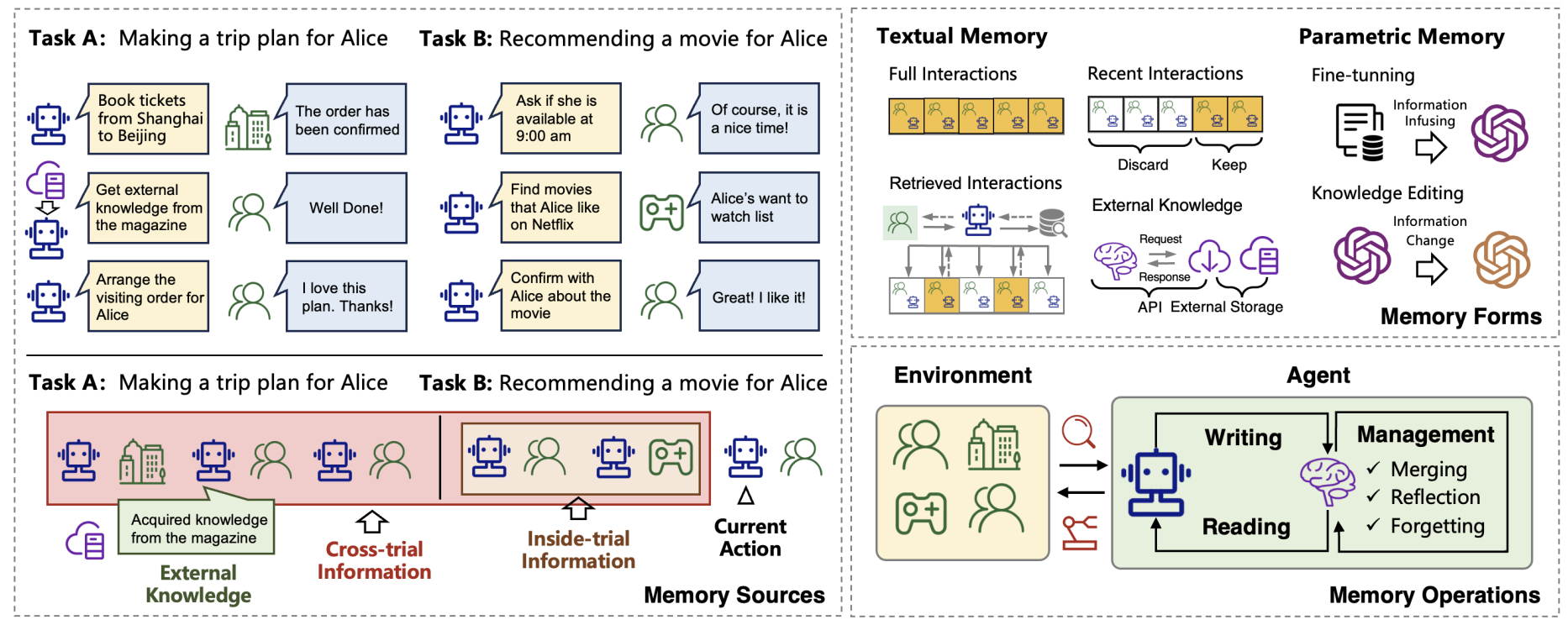
Figure 3: An overview of the sources, forms, and operations of the memory in LLM-based agents.
Applications and Implications
AI agents find applications in various high-stakes domains, including healthcare, where they assist in diagnostic processes and patient interaction; business, where they optimize supply chain operations and financial analytics; and education, where they support personalized learning and reduce educator workload. The agents' ability to interpret multimodal data and engage in real-time decision-making underscores their transformative impact on these fields.
Strategic Research Directions
This review identifies critical challenges related to AI agents' safety, interpretability, ethical considerations, and generalization capabilities. It emphasizes the need for interdisciplinary research to address these issues and pave the way for the development of robust and trustworthy AI systems. Special attention is required to enhance the agents' resilience to domain shifts, improve their explainability, and ensure alignment with human values and ethical standards.
The paper also highlights emerging research opportunities, such as hybrid symbolic-subsymbolic models and neuroscience-inspired mechanisms, which promise to revolutionize the design and application of AI agents. These directions aim to achieve more versatile, interpretable, and computationally efficient systems that can operate reliably in complex real-world settings.
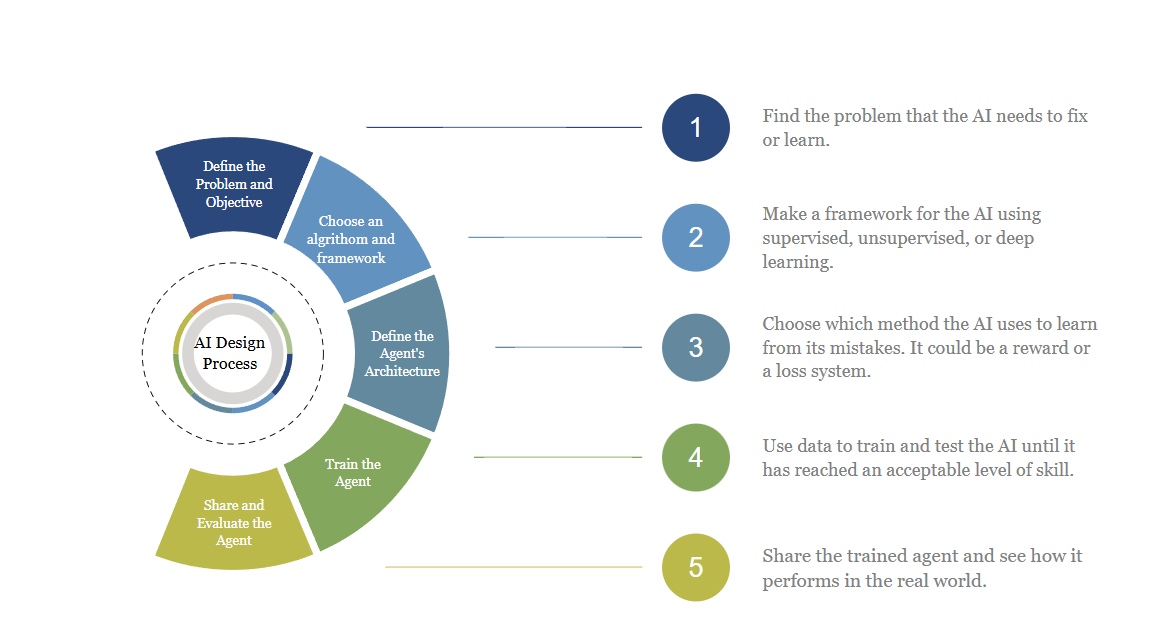
Figure 4: An overview of the AI agent design process.
Conclusion
The review concludes that while significant progress has been made in AI agent development, the path towards achieving genuinely autonomous and intelligent systems remains fraught with scientific and philosophical challenges. Ongoing advancements in AI methodologies, combined with a commitment to ethical design principles, are crucial to realizing agents that can reliably and ethically operate in diverse domains, contributing positively to society and technology.